
Table of Contents
Introduction
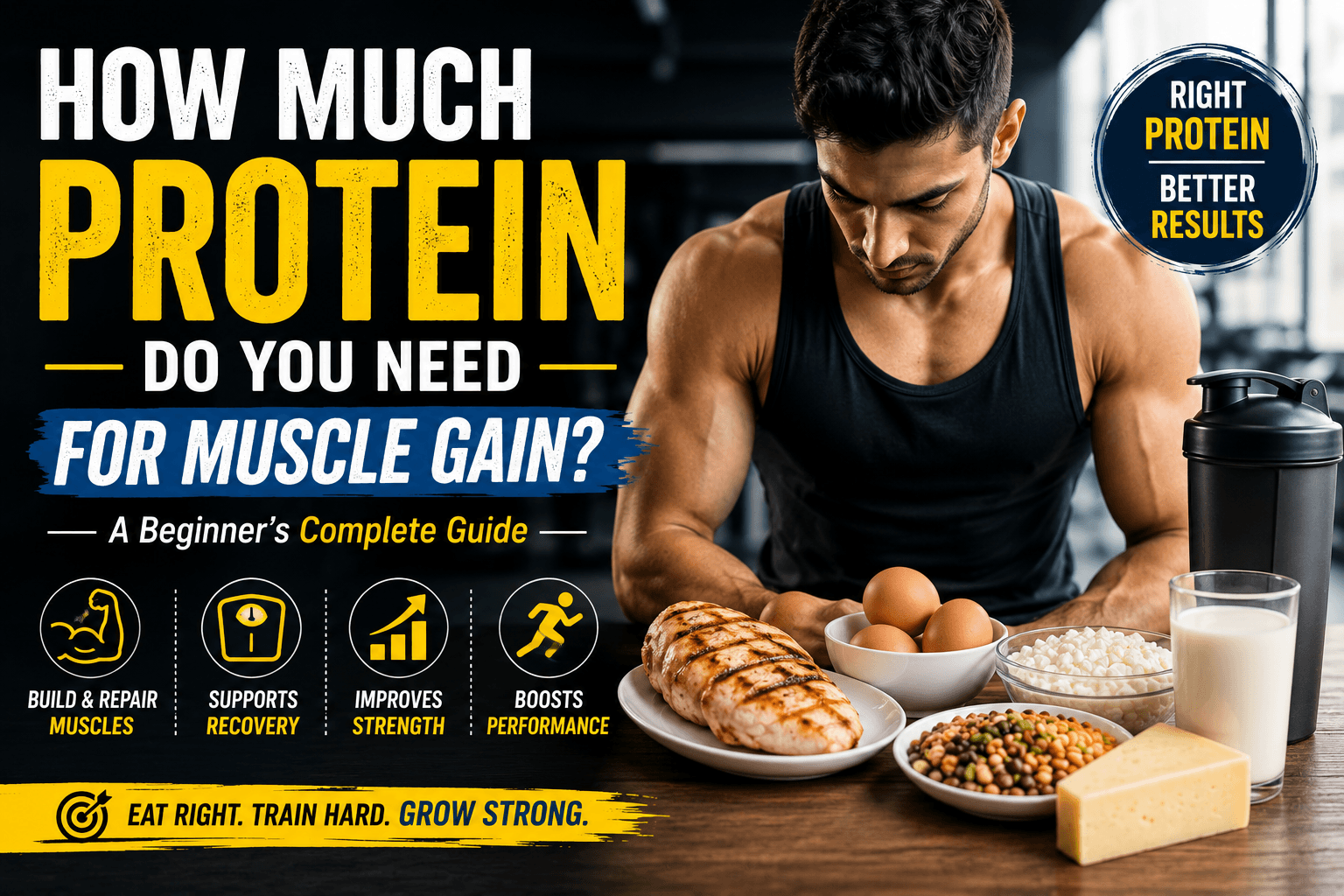
If you’re just starting your fitness journey, you’ve probably heard people say, “Eat more protein to build muscle.” While that’s true, the next question is even more important:
How much protein do you actually need for muscle gain?
Many beginners either eat too little protein or consume excessive amounts, believing that more protein means faster muscle growth. In reality, muscle building depends on the right balance of protein, strength training, calories, recovery, and consistency.
In this beginner-friendly guide, you’ll learn how much protein you need, the best protein sources, when to consume protein, and common myths that can slow down your progress.
What Is Protein?
Protein is one of the three essential macronutrients required by the human body.
It is made up of amino acids, which are often called the “building blocks of muscle.”
Every time you perform resistance training, your muscle fibers develop tiny tears. During recovery, your body repairs these fibers using amino acids from protein, making them stronger and larger over time.
Without adequate protein, muscle growth becomes much slower.
Why Is Protein Important for Muscle Gain?
Protein supports muscle growth by:
- Repairing muscle tissue after workouts
- Stimulating muscle protein synthesis
- Reducing muscle breakdown
- Supporting faster recovery
- Helping maintain lean muscle during fat loss
However, protein alone doesn’t build muscle. It works together with regular strength training and proper nutrition.
How Much Protein Do You Need?
This is the question most beginners ask.
According to current sports nutrition research, people aiming to build muscle generally benefit from consuming approximately 1.6–2.2 grams of protein per kilogram of body weight per day.
Here are some examples:
| Body Weight | Daily Protein Target |
|---|---|
| 50 kg | 80–110 g |
| 60 kg | 95–130 g |
| 70 kg | 110–155 g |
| 80 kg | 130–175 g |
| 90 kg | 145–200 g |
These are general recommendations. Your ideal intake depends on your training intensity, total calorie intake, age, and overall health.
Can You Build Muscle Without Enough Protein?
It is possible to gain some muscle as a beginner even with lower protein intake, but progress is usually slower.
If your body doesn’t receive enough protein:
- Muscle recovery takes longer.
- Workout performance may decrease.
- Muscle growth becomes less efficient.
- You may lose muscle during dieting.
Think of protein as the raw material your body needs to build muscle.
Best Sources of Protein
Whole foods should always be your first choice.
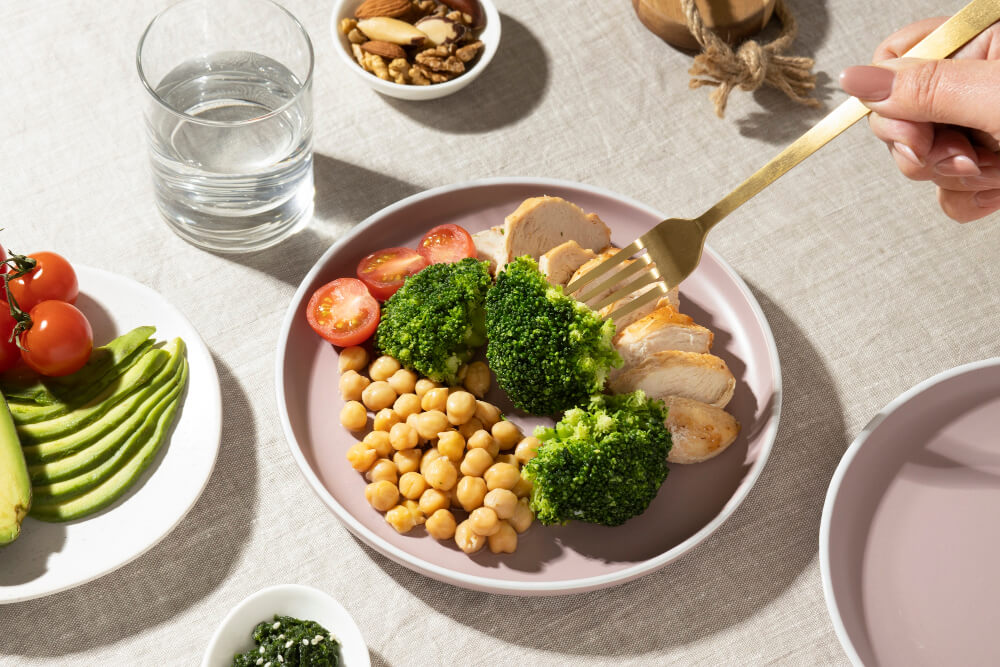
Excellent protein-rich foods include:
Animal Sources
- Chicken breast
- Eggs
- Fish
- Lean meat
- Greek yogurt
- Cottage cheese
- Milk
Plant Sources
- Lentils
- Chickpeas
- Kidney beans
- Soy chunks
- Tofu
- Tempeh
- Peanuts
- Quinoa
A balanced diet containing a variety of protein sources provides additional vitamins and minerals that supplements cannot replace.
Should Beginners Use Protein Powder?
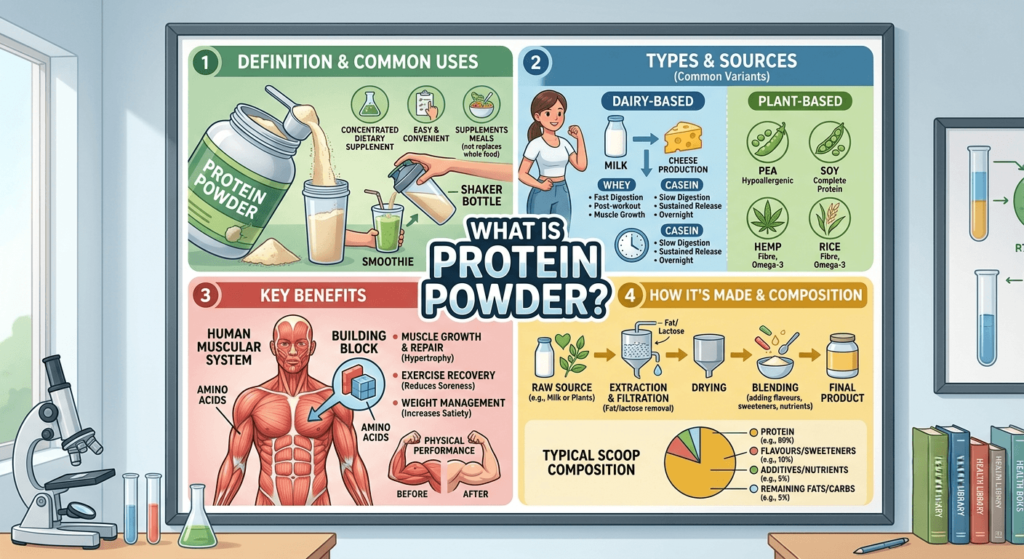
Protein powder is not mandatory.
If you can easily meet your daily protein requirement through food, there is no need for a supplement.
However, protein powder can be helpful if:
- You’re too busy to prepare meals.
- You struggle to consume enough protein.
- You need a convenient post-workout option.
Remember:
Protein powder is a supplement—not a replacement for healthy meals.
How Much Protein Can Your Body Absorb at One Time?
A common myth says the body can absorb only 30 grams of protein per meal.
This isn’t entirely accurate.
Your body digests and absorbs nearly all the protein you consume. However, spreading your protein intake across 3–5 balanced meals may better support muscle protein synthesis throughout the day.
Instead of eating most of your protein in one meal, aim to distribute it evenly.
When Should You Eat Protein?
Many people believe the “anabolic window” lasts only 30 minutes after exercise.
Current evidence suggests that total daily protein intake is more important than consuming protein immediately after your workout.
Good times to consume protein include:
- Breakfast
- Lunch
- Dinner
- After strength training
- Before bedtime (if needed)
Consistency matters more than perfect timing.
Does Eating More Protein Build More Muscle?
No.
Once your protein requirements are met, eating significantly more protein doesn’t automatically lead to faster muscle growth.
Muscle gain also depends on:
- Progressive strength training
- Adequate calorie intake
- Quality sleep
- Recovery
- Consistency over months
Protein is only one part of the equation.
How Much Protein Does a Beginner Need After a Workout?
Most beginners don’t need an extremely large protein shake.
A meal or snack containing approximately 20–40 grams of high-quality protein after training is generally sufficient for most adults.
Examples include:
- Chicken with rice
- Eggs with toast
- Greek yogurt
- Paneer
- Whey protein shake
Common Protein Mistakes Beginners Make
1. Eating Too Little Protein
Many beginners focus only on carbohydrates while ignoring protein.
2. Depending Only on Supplements
Whole foods should remain the foundation of your diet.
3. Skipping Meals
Protein intake spread throughout the day is often more beneficial than consuming it all at night.
4. Ignoring Total Calories
Even with adequate protein, muscle gain becomes difficult if you’re consistently eating too few calories.
5. Expecting Instant Results
Building muscle is a slow process that requires patience and consistency.
Sample High-Protein Meal Plan
Breakfast
- 3 Eggs
- Oats with milk
Mid-Morning Snack
- Greek yogurt
- Almonds
Lunch
- Chicken breast
- Rice
- Vegetables
Evening Snack
- Banana
- Whey protein (optional)
Dinner
- Paneer or Fish
- Chapati
- Salad
Before Bed
- Glass of milk
This is only an example. Your meals should match your calorie and protein requirements.
Common Myths About Protein
Myth 1: More Protein Means Bigger Muscles
Fact: Muscle growth depends on proper training, recovery, calories, and genetics—not just protein intake.
Myth 2: Protein Damages Healthy Kidneys
Fact: Research suggests that recommended protein intake is generally safe for healthy individuals. People with kidney disease should consult a healthcare professional.
Myth 3: Only Bodybuilders Need High Protein
Fact: Anyone performing regular strength training benefits from adequate protein intake.
Myth 4: Plant Protein Is Useless
Fact: Plant proteins can effectively support muscle growth when total protein intake is sufficient and a variety of sources are consumed.
Frequently Asked Questions (FAQs)
Is 100 grams of protein enough?
It depends on your body weight and training goals. For some people, 100 grams is enough, while others may require more.
Can I build muscle without protein powder?
Yes. Many people build muscle successfully using only whole foods.
Can I eat too much protein?
Consuming more protein than your body needs doesn’t automatically increase muscle growth. Balance is important.
Should I drink protein on rest days?
If you’re unable to meet your daily protein requirement through food, protein powder can still be used on rest days.
Conclusion
Protein is one of the most important nutrients for building muscle, but it is not the only factor. Beginners should focus on meeting their daily protein requirements through a balanced diet, following a structured strength training program, sleeping 7–9 hours each night, and remaining consistent.
For most beginners, aiming for approximately 1.6–2.2 grams of protein per kilogram of body weight per day is a practical starting point, although individual needs vary.
Remember, muscle gain doesn’t happen overnight. Small improvements in nutrition, training, and recovery—repeated consistently over time—lead to the best long-term results.
Build healthy habits first, and the muscles will follow.
YouTube link:- https://www.youtube.com/@fitlisfitness?sub_confirmation=1
Website:- http://fitlis.in/
GYM App:- For Android
Instagram KAPIL:- https://www.instagram.com/kapilkumar_79/
Instagram FITLIS:- https://www.instagram.com/fitlis_fitness/
Facebook:- https://www.facebook.com/kapilkumar.7790/