
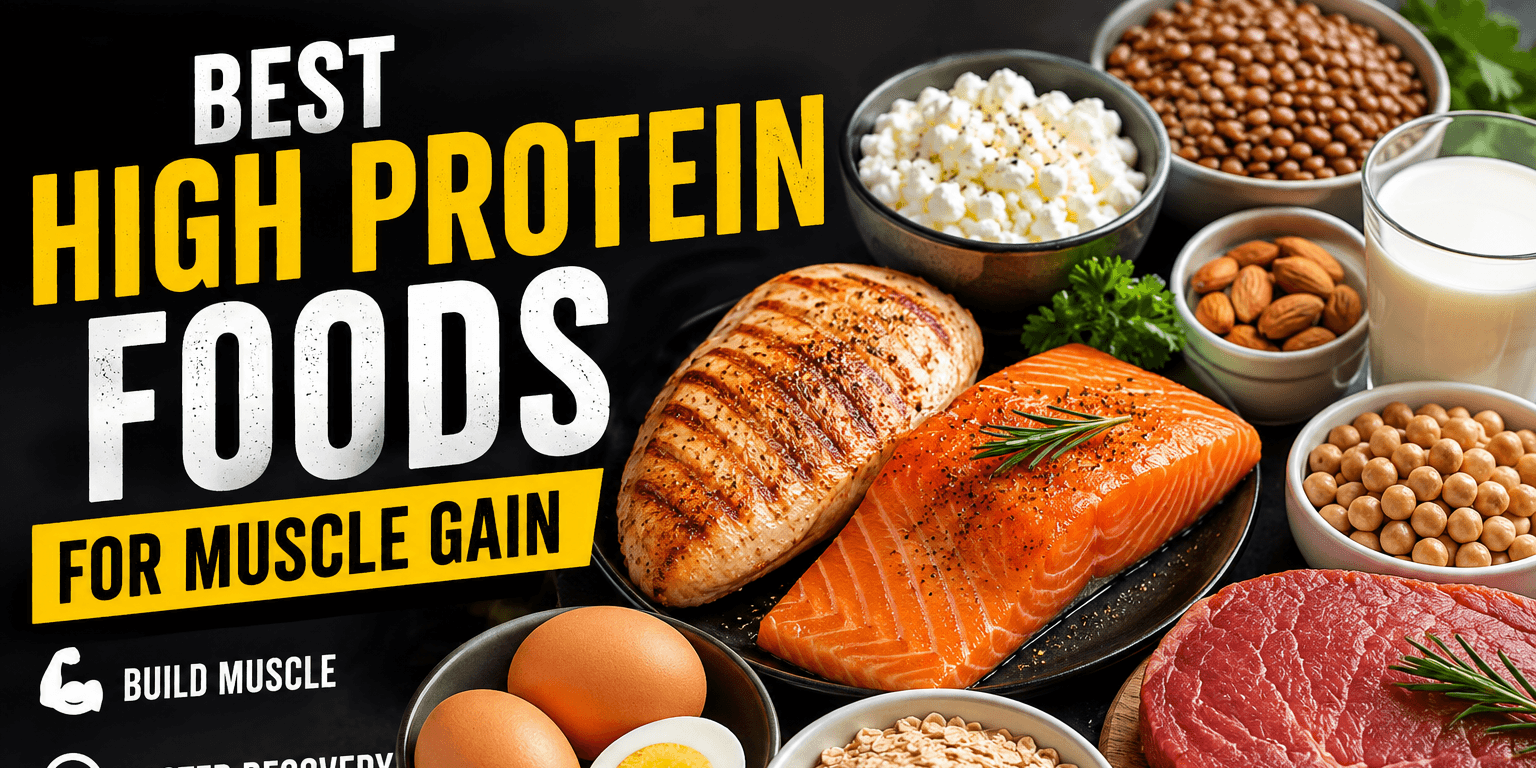
Building muscle is not just about lifting heavy weights in the gym. Your diet plays an equally important role in helping your muscles recover, grow, and become stronger. Among all nutrients, protein is the most important for muscle growth because it provides the amino acids your body needs to repair muscle fibers after exercise.
Whether you are a beginner, an experienced gym-goer, or someone trying to improve overall fitness, eating enough high-protein foods can help you achieve better results. A balanced diet combined with regular strength training, adequate sleep, and hydration creates the perfect environment for muscle gain.
In this guide, we’ll explore the best high protein foods for muscle gain, their benefits, and practical tips for including them in your daily meals.
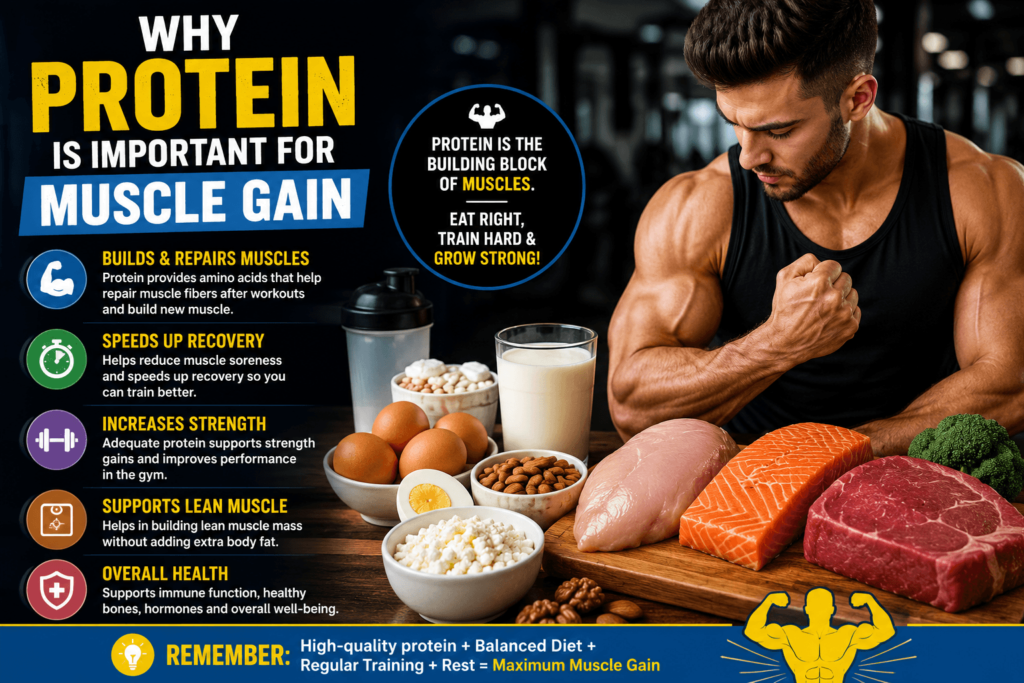
Why Protein Is Important for Muscle Gain
Every time you perform resistance training or weightlifting, tiny tears develop in your muscle fibers. Your body repairs these fibers using amino acids obtained from protein-rich foods. During this recovery process, muscles become stronger and larger.
Protein also helps:
- Build lean muscle mass
- Speed up muscle recovery
- Reduce muscle soreness
- Improve strength and performance
- Support healthy bones
- Keep you feeling full for longer, reducing unnecessary snacking
For most active adults, consuming around 1.6–2.2 grams of protein per kilogram of body weight per day is often recommended to support muscle growth, depending on training intensity and individual needs.
1. Chicken Breast
Chicken breast is one of the most popular protein sources among athletes and bodybuilders.
Protein Content
Approximately 31 grams of protein per 100 grams.
Benefits
- High-quality complete protein
- Low in fat
- Rich in Vitamin B6
- Supports muscle repair
- Easy to cook in multiple ways
You can grill, bake, boil, or air fry chicken breast to create healthy meals.
2. Eggs
Eggs are often called nature’s perfect high protein because they contain all nine essential amino acids.
Protein Content
One large egg provides about 6–7 grams of protein.
Benefits
- Rich in high-quality protein
- Contains healthy fats
- Excellent source of Vitamin D
- Provides choline for brain health
- Affordable and easy to prepare
Contrary to old myths, moderate egg consumption can fit into a healthy diet for most people.
3. Greek Yogurt
Greek yogurt contains significantly more protein than regular yogurt.
Protein Content
Approximately 10 grams per 100 grams.
Benefits
- Supports muscle recovery
- Rich in calcium
- Contains probiotics for gut health
- Great post-workout snack
Choose plain Greek yogurt and add fruits or nuts instead of buying sugary flavored versions.
4. Fish
Fish such as salmon, tuna, and mackerel are excellent sources of protein.
Protein Content
Around 22–25 grams per 100 grams.
Benefits
- Rich in Omega-3 fatty acids
- Supports heart health
- Reduces inflammation
- Promotes faster recovery
Aim to include fish in your diet two to three times each week.
5. Lean Beef
Lean beef provides protein along with important minerals.
Protein Content
Approximately 26 grams per 100 grams.
Benefits
- Rich in iron
- High in Vitamin B12
- Contains zinc
- Excellent source of creatine
Choose lean cuts to reduce saturated fat intake.
6. Cottage Cheese (Paneer)
Paneer is an excellent vegetarian protein source.
Protein Content
Approximately 18–20 grams per 100 grams (varies by preparation).
Benefits
- High in casein protein
- Slow digestion supports overnight recovery
- Rich in calcium
- Keeps you feeling full
Opt for low-fat paneer if you are trying to reduce calorie intake.
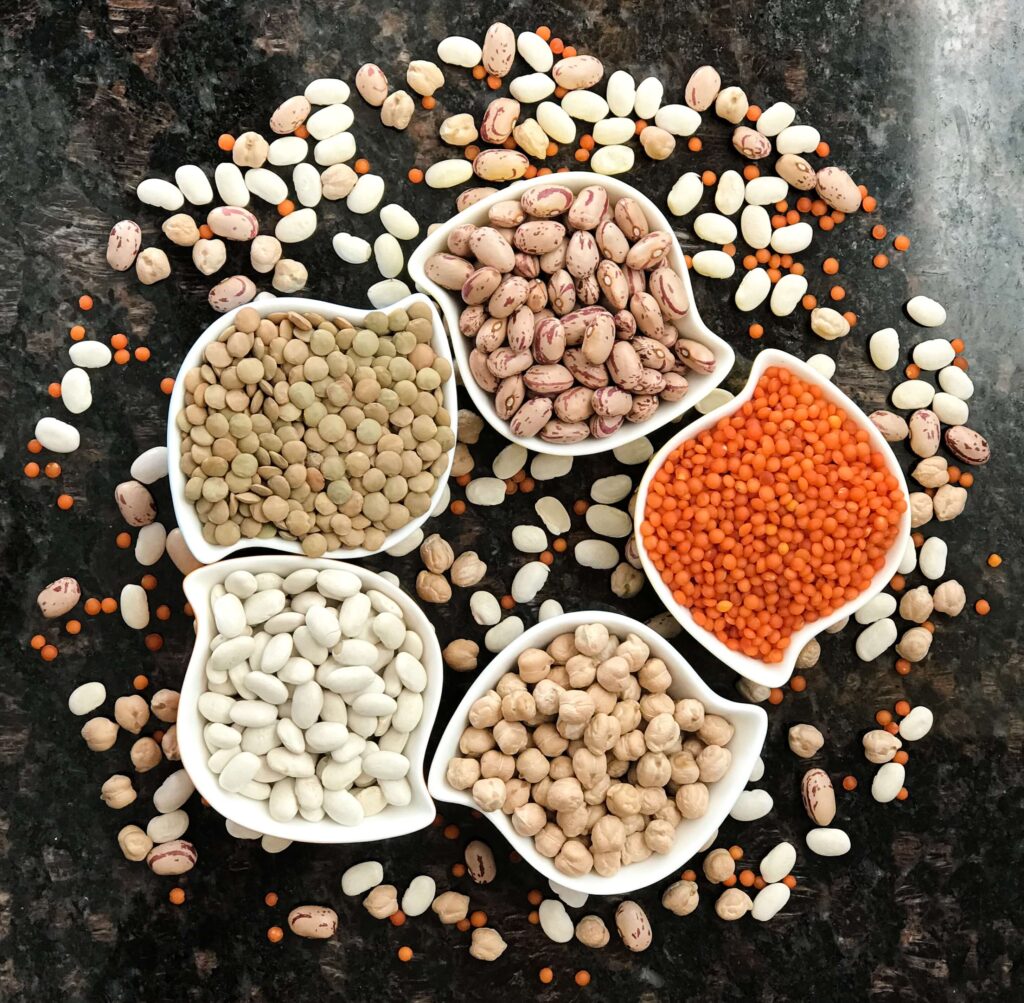
7. Lentils (Dal)
Lentils are among the best plant-based protein foods.
Protein Content
Cooked lentils provide around 9 grams of protein per 100 grams.
Benefits
- High in fiber
- Rich in iron
- Budget-friendly
- Supports digestive health
Pair lentils with rice or whole grains for a more balanced amino acid profile.
8. Soybeans
Soybeans are one of the few plant foods that provide complete protein.
Protein Content
Around 36 grams per 100 grams (dry).
Benefits
- Excellent vegetarian protein
- Rich in iron
- Supports muscle building
- Good source of healthy fats
Soy products like tofu and tempeh are also great options.
9. Whey Protein
Whey protein is a convenient supplement for people who struggle to meet daily protein needs through food alone.
Protein Content
Typically 20–30 grams per scoop, depending on the product.
Benefits
- Fast absorption
- Supports muscle recovery
- Convenient after workouts
- Helps meet daily protein goals
Remember, supplements should complement a balanced diet—not replace whole foods.
10. Chickpeas
Chickpeas are another healthy plant-based protein option.
Protein Content
Cooked chickpeas contain approximately 9 grams of protein per 100 grams.
Benefits
- High in fiber
- Rich in minerals
- Supports digestion
- Great for salads and curries
Best High Protein Snacks
Healthy snacks can help increase daily protein intake.
Good options include:
- Boiled eggs
- Greek yogurt
- Roasted chickpeas
- Mixed nuts (in moderation)
- Protein smoothies
- Cottage cheese
- Peanut butter with whole-grain toast
Daily Meal Plan for Muscle Gain
Breakfast
- 3 eggs
- Oats
- Milk
- Banana
Mid-Morning Snack
- Greek yogurt
- Almonds
Lunch
- Grilled chicken or paneer
- Brown rice
- Mixed vegetables
Evening Snack
- Protein shake
- Banana
Dinner
- Fish, chicken, tofu, or lentils
- Whole wheat roti
- Salad
Before Bed
- Cottage cheese or a glass of milk
Tips for Maximizing Muscle Growth
- Train with progressive overload.
- Eat enough total calories to support muscle gain.
- Spread protein intake across the day.
- Drink plenty of water.
- Sleep 7–9 hours each night.
- Include carbohydrates and healthy fats in your diet.
- Stay consistent with both nutrition and workouts.
Common Mistakes to Avoid
Many people make mistakes that slow muscle growth.
Avoid:
- Skipping meals
- Eating too little protein
- Relying only on supplements
- Ignoring recovery and sleep
- Following crash diets
- Inconsistent workouts
Frequently Asked Questions
Which protein food is best for muscle gain?
Chicken breast, eggs, fish, Greek yogurt, paneer, soybeans, and lean beef are among the best choices because they provide high-quality protein.
Is whey protein necessary?
No. Whole foods can provide enough protein for many people. Whey protein is simply a convenient way to increase intake when needed.
Can vegetarians build muscle?
Absolutely. Paneer, soy products, lentils, beans, chickpeas, dairy products, and nuts can provide enough protein when consumed in a balanced diet.
How much protein should I eat daily?
Your needs depend on your body weight, activity level, and goals. Many people aiming to build muscle benefit from about 1.6–2.2 grams of protein per kilogram of body weight per day, though individual needs can vary.
Conclusion
Building muscle requires dedication in both the gym and the kitchen. Including high-protein foods such as chicken breast, eggs, fish, Greek yogurt, paneer, lentils, soybeans, chickpeas, and lean beef can provide your body with the nutrients it needs to recover and grow stronger.
Instead of relying solely on supplements, focus on eating a variety of whole, nutrient-rich foods, staying hydrated, getting quality sleep, and following a consistent strength-training program. Over time, these habits will help you gain lean muscle, improve performance, and support long-term health.
YouTube link:- https://www.youtube.com/@fitlisfitness?sub_confirmation=1
powerlifting competition – https://youtu.be/j-yA6ecK4Hw
check IHFF 2023 bodybuilding competition –https://youtu.be/wqA73RduPNQ
Blogs:- https://fitlis.in/blog
Website:- http://fitlis.in/
GYM App:- For Android
Instagram KAPIL:- https://www.instagram.com/kapilkumar_79/
Instagram FITLIS:- https://www.instagram.com/fitlis_fitness/
Facebook:- https://www.facebook.com/kapilkumar.7790/