
Introduction
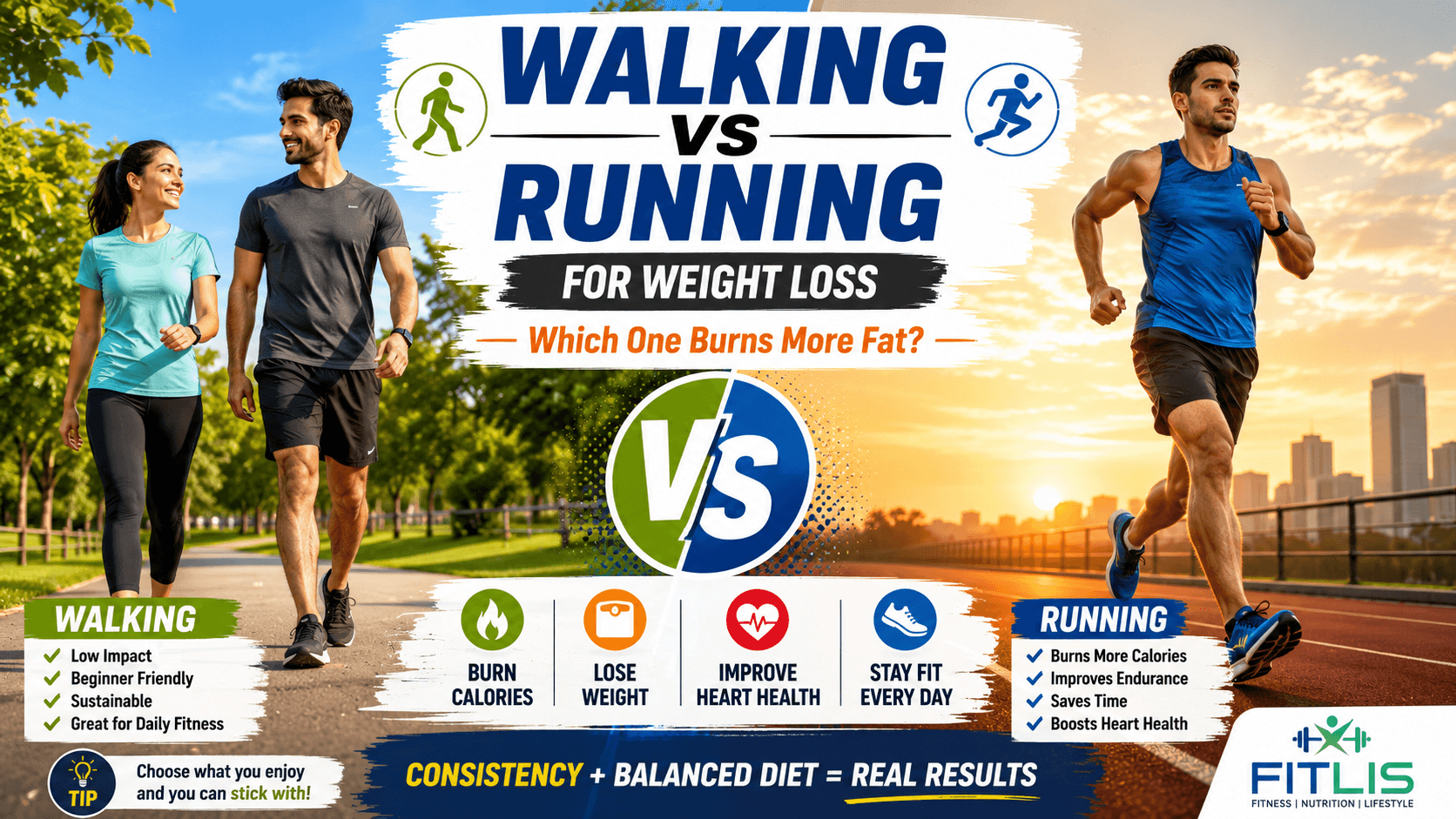
When it comes to losing weight, one of the most common questions people ask is:
“Should I walk or run to lose weight faster?”
Some people believe running is the only effective way to burn fat, while others prefer walking because it’s easier and less demanding. The truth is that both walking and running can help you lose weight, but the better option depends on your fitness level, health, lifestyle, and long-term consistency.
In this guide, we’ll compare walking and running based on calorie burn, fat loss, joint health, muscle preservation, convenience, and sustainability to help you choose the right exercise for your weight-loss journey.

Table of Contents
How Weight Loss Actually Works
Before comparing walking and running, it’s important to understand one simple fact:
Weight loss happens when you consistently burn more calories than you consume.
This is called a calorie deficit.
Walking and running both increase the number of calories your body burns, making it easier to maintain that calorie deficit when combined with a balanced diet.
No exercise alone can compensate for consistently overeating, so nutrition remains an essential part of successful weight loss.
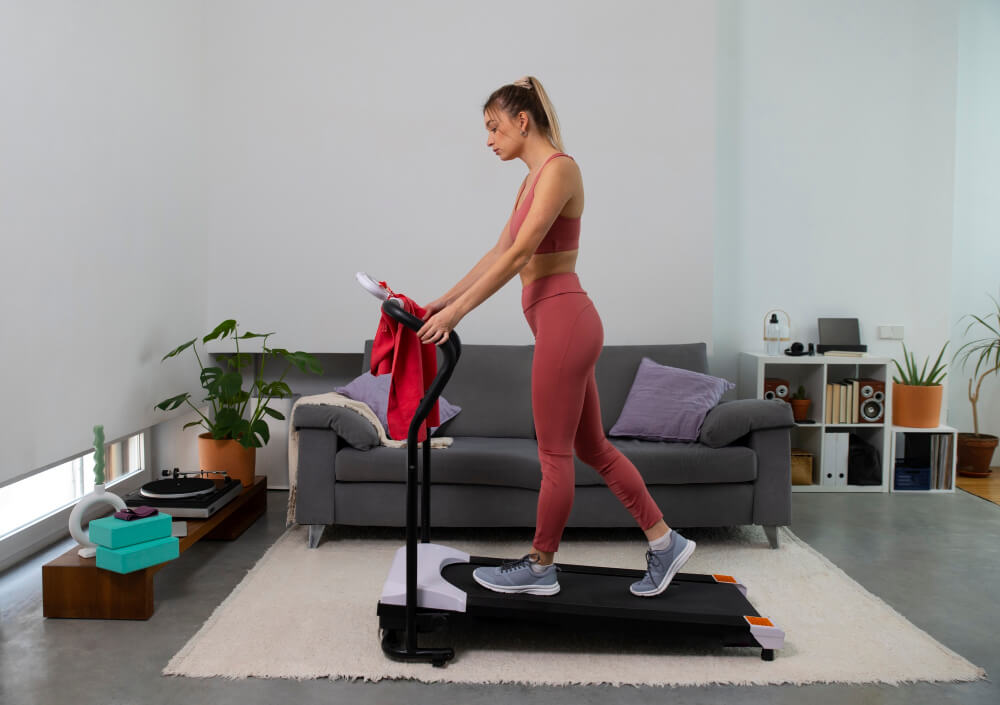
What Is Walking?
Walking is a low-impact aerobic exercise that almost everyone can perform.
It requires:
- No expensive equipment
- No gym membership
- Minimal skill
- Low injury risk
Walking can easily become part of your daily routine, making it one of the most sustainable forms of physical activity.
What Is Running?
Running is a higher-intensity cardiovascular exercise.
Compared to walking, it requires:
- Greater physical effort
- Better cardiovascular fitness
- Stronger muscles and joints
- Longer recovery
Because running is more intense, it generally burns more calories in less time.
Calories Burned: Walking vs Running
One of the biggest differences between walking and running is calorie expenditure.
For example, a person weighing around 70 kg may burn approximately:
Walking (5–6 km/h)
- 30 minutes: 120–170 calories
- 60 minutes: 240–340 calories
Running (8–10 km/h)
- 30 minutes: 250–400 calories
- 60 minutes: 500–800 calories
These numbers are estimates and vary depending on factors such as body weight, speed, terrain, age, and fitness level.
Winner: Running burns more calories per minute.

Which Burns More Fat?
Many people assume that because running burns more calories, it automatically burns more fat.
The reality is more nuanced.
Both walking and running help reduce body fat when performed consistently as part of a calorie-controlled lifestyle.
Running burns more calories in less time, while walking allows many people to exercise longer without becoming overly fatigued.
Over weeks and months, consistency matters more than choosing the highest-intensity activity.
Which Is Better for Beginners?
For most beginners, walking is often the better starting point.
Why?
Because walking is:
- Easier to maintain
- Less physically demanding
- Lower impact on joints
- Less intimidating
- Easier to recover from
Building the habit of regular movement is often more important than starting with intense workouts.
As your fitness improves, you can gradually increase speed, distance, or include short running intervals.
Impact on Joints
Running places significantly more force on the knees, ankles, hips, and feet than walking.
Healthy people can absolutely run safely with proper technique and appropriate progression, but beginners who are overweight or have joint discomfort may find walking more comfortable.
Walking is often a practical choice for people with:
- Knee discomfort
- Joint sensitivity
- Obesity
- Limited fitness experience
If you have persistent pain or a medical condition, consult a healthcare professional before starting a new exercise program.
Which Is Better for Belly Fat?
This is one of the biggest myths in fitness.
Neither walking nor running specifically burns belly fat.
Your body loses fat from all over—not just one area.
As your overall body fat decreases through regular exercise and healthy eating, your waistline gradually becomes smaller.
Both walking and running can contribute to reducing belly fat by helping create a calorie deficit.
Muscle Preservation
During weight loss, preserving muscle is important because muscle helps support strength, metabolism, and physical function.
To protect muscle while losing fat:
- Eat enough protein
- Perform strength training 2–4 times per week
- Avoid extremely restrictive diets
Walking and running should ideally be combined with resistance training for the best body composition results.
Which Is Easier to Stick With?
The best exercise is the one you can continue doing consistently.
Many people quit running because they:
- Start too fast
- Get injured
- Feel exhausted
- Lose motivation
Walking is often easier to maintain for months or years because it feels less demanding.
A daily 45-minute walk performed consistently may produce better long-term results than running for one week and then quitting.
Walking vs Running for Different Goals
If Your Goal Is Weight Loss
Both are effective.
Choose the activity you enjoy and can perform regularly.
If Your Goal Is Maximum Calorie Burn
Running generally burns more calories in less time.
If You’re a Beginner
Walking is usually the safest starting point.
If You Have Joint Pain
Walking is often the better option because of its lower impact.
If You’re Short on Time
Running can provide a greater calorie burn in a shorter workout.
Can You Combine Walking and Running?
Absolutely.
Many people achieve excellent results by combining both.
For example:
Week 1–2
- Walk 30–40 minutes daily
Week 3–4
- Walk for 3 minutes
- Run for 1 minute
- Repeat several times
Week 5+
Gradually increase the running intervals as your fitness improves.
This approach helps reduce injury risk while improving endurance.
Sample Weekly Plan
Monday
45-minute brisk walk
Tuesday
Strength training + 20-minute walk
Wednesday
30-minute walk/run intervals
Thursday
Strength training
Friday
45-minute brisk walk
Saturday
Easy jog or cycling
Sunday
Recovery walk and stretching
This schedule combines cardiovascular exercise, strength training, and recovery for balanced fitness.
Common Mistakes
1. Thinking Running Alone Will Cause Weight Loss
Nutrition remains the biggest factor in creating a calorie deficit.
2. Walking Too Slowly
Aim for a brisk pace that raises your heart rate while still allowing conversation.
3. Running Every Day
Your body needs recovery time, especially if you’re new to running.
4. Ignoring Strength Training
Strength training helps preserve muscle while losing fat.
5. Wearing Poor Footwear
Proper walking or running shoes improve comfort and reduce injury risk.
Frequently Asked Questions
Is walking enough for weight loss?
Yes. Combined with a balanced diet and consistent routine, walking can be an effective way to lose weight.
How long should I walk daily?
Many adults benefit from 30–60 minutes of brisk walking most days of the week, depending on their goals and fitness level.
Is running better than walking?
Running burns more calories in less time, but that doesn’t necessarily make it the best choice for everyone. The best exercise is the one you can perform safely and consistently.
Can I lose belly fat by walking?
Walking contributes to overall fat loss, but it cannot specifically target belly fat.
Conclusion
Walking and running are both excellent forms of exercise for weight loss.
Running generally burns more calories in a shorter period, making it a good option for people who enjoy higher-intensity workouts and have no limitations that prevent running.
Walking, however, is easier on the joints, more beginner-friendly, and often easier to maintain over the long term. For many people, this consistency makes walking an equally powerful tool for achieving sustainable weight loss.
The most important factor isn’t whether you choose walking or running—it’s whether you stay active, eat a balanced diet, perform regular strength training, and maintain healthy habits over time.
Remember, the best workout is the one you can stick with for years, not just a few weeks.
YouTube link:- https://www.youtube.com/@fitlisfitness?sub_confirmation=1
Website:- http://fitlis.in/
GYM App:- For Android
Instagram KAPIL:- https://www.instagram.com/kapilkumar_79/
Instagram FITLIS:- https://www.instagram.com/fitlis_fitness/
Facebook:- https://www.facebook.com/kapilkumar.7790/