
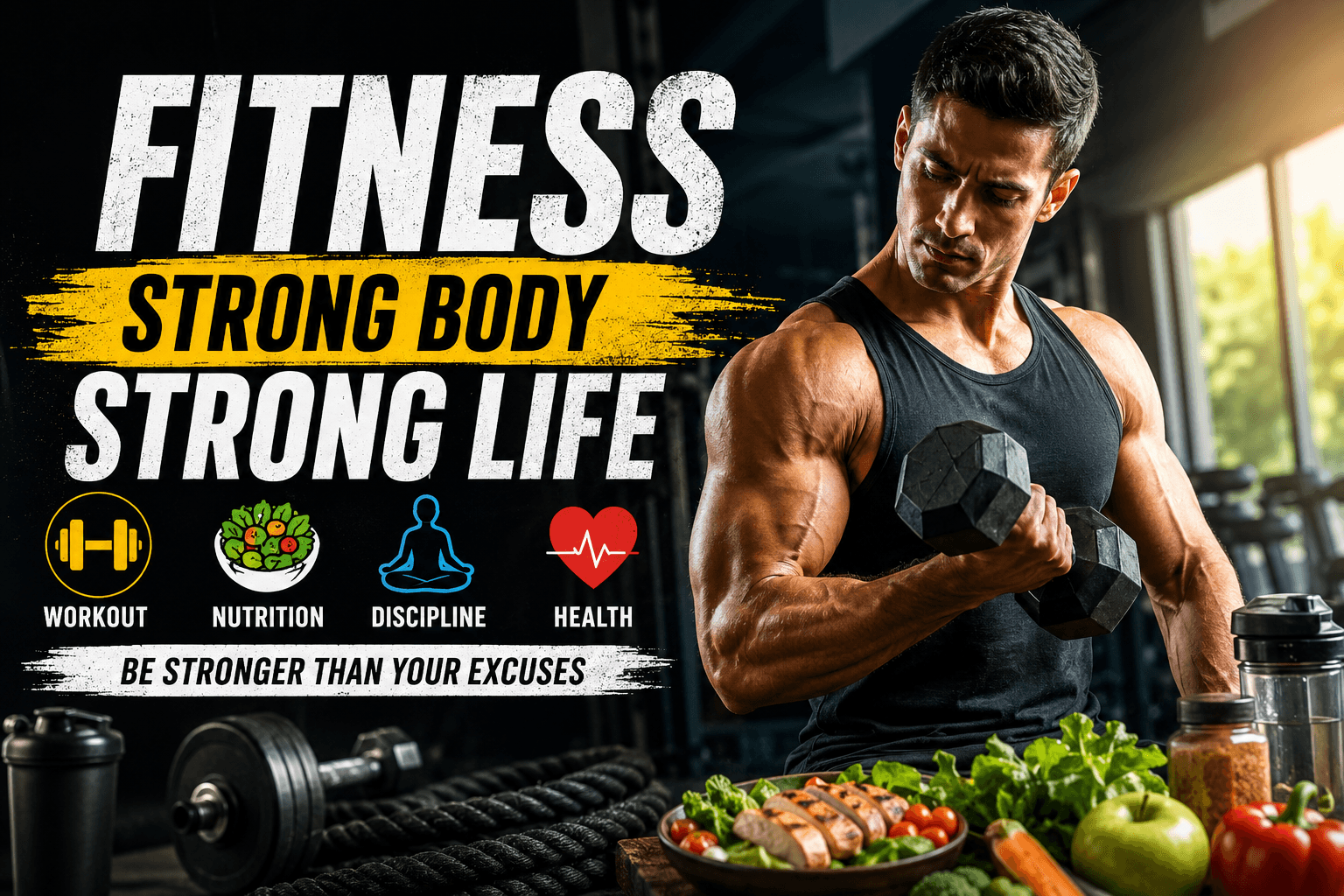
You need to be consistent for Healthier and Stronger Life.
Fitness is not just about having visible muscles, losing weight, or looking good in front of a mirror. True fitness is about building a body that is strong, active, flexible, and capable of handling everyday life with energy. Whether you are a beginner joining a gym for the first time or someone who has been exercising for years, fitness can improve both your physical health and mental well-being.
The good news is that you do not need to become a professional athlete to be fit. Small, consistent improvements in exercise, nutrition, sleep, and daily habits can create significant changes over time.

Table of Contents
What Does Fitness Really Mean?
Fitness is a combination of several different aspects of health. Strength is important, but it is only one part of the picture. Cardiovascular endurance helps your heart and lungs work efficiently, while flexibility allows your joints and muscles to move properly. Balance, coordination, mobility, and muscular endurance are also important.
A fit person should be able to perform daily activities without becoming excessively tired. Fitness can also help you maintain a healthy body composition and reduce the risk of several lifestyle-related health problems.
Instead of focusing only on appearance, try to think about fitness as a long-term investment in your health.
Why Is Regular Exercise Important?
Regular exercise provides benefits that go far beyond burning calories. Physical activity strengthens muscles and bones, improves cardiovascular fitness, supports healthy body weight, and can improve sleep quality.
Exercise can also have a positive effect on your mood. Physical activity may help reduce everyday stress and improve your overall sense of well-being. Many people find that they feel more energetic and confident after developing a regular workout routine.
Another important benefit is improved functional strength. Exercises such as squats, lunges, rows, presses, and deadlifts can help prepare your body for real-life movements such as lifting objects, climbing stairs, carrying groceries, or playing sports.
Strength Training
Strength training is one of the most valuable components of a balanced fitness program. It involves challenging your muscles through resistance exercises.
You can perform strength training using:
- Dumbbells
- Barbells
- Resistance machines
- Resistance bands
- Cables
- Bodyweight exercises
Beginners do not need extremely heavy weights. The priority should be learning proper technique and gradually increasing the challenge.
Exercises such as squats, push-ups, rows, lunges, shoulder presses, and hip-hinge movements can train multiple muscle groups.
Progressive overload is an important principle of strength training. As your body adapts, you can gradually increase weight, repetitions, sets, or training difficulty. However, progression should be controlled rather than rushed.
Cardiovascular Fitness
Cardio is another important part of fitness. It trains your heart and lungs and can improve your ability to perform activities for longer periods.
Walking, jogging, cycling, swimming, dancing, skipping, and sports are all examples of cardiovascular activities.
You do not necessarily need to spend an hour on a treadmill every day. Even regular brisk walking can contribute to your overall activity level.
For beginners, starting with manageable sessions and gradually increasing duration or intensity is often more sustainable than doing extremely difficult workouts immediately.
Nutrition and Fitness
Exercise alone cannot create a healthy lifestyle. Nutrition plays a major role in supporting your fitness goals.
A balanced diet should provide adequate protein, carbohydrates, healthy fats, vitamins, minerals, and fluids.
Protein is particularly important for muscle repair and recovery. Good sources include eggs, milk, curd, paneer, dal, beans, soy products, fish, chicken, and other protein-rich foods.
Carbohydrates provide energy for physical activity. Rice, roti, oats, potatoes, fruits, and other whole-food carbohydrate sources can be part of a balanced diet.
Healthy fats are also necessary for normal body functions. Nuts, seeds, dairy products, and certain oils can provide dietary fats.
The right amount of food depends on your individual goals, activity level, body size, and overall health. Someone trying to lose body fat may need a different calorie intake from someone trying to gain muscle.
Weight Loss and Fitness
Many people start exercising because they want to lose weight. While exercise is helpful, fat loss primarily depends on maintaining an appropriate calorie deficit over time.
This does not mean starving yourself or eliminating entire food groups.
A better approach is to focus on nutritious foods, appropriate portions, regular physical activity, adequate protein, and consistency.
Strength training can be especially useful during weight loss because it helps you maintain muscle while losing body fat. Combining resistance training with cardiovascular activity and a balanced diet can create a more sustainable approach.
Remember that the number on the weighing scale can change because of water, food intake, and other factors. Progress should also be measured through waist measurements, strength, fitness levels, photographs, clothing fit, and how you feel.
Building Muscle
Muscle growth requires appropriate resistance training, sufficient nutrition, and recovery.
Training each major muscle group consistently is more important than performing complicated exercises. Beginners can make excellent progress with relatively simple programs.
Adequate protein intake supports muscle repair, while sufficient calories and carbohydrates can help provide energy for training.
Recovery is equally important. Muscles need time to adapt after challenging workouts. Training harder every day without adequate recovery does not necessarily produce better results.
The Importance of Sleep
Sleep is often overlooked by people who are serious about fitness. However, recovery does not stop when you leave the gym.
During sleep, your body gets an opportunity to recover from daily physical and mental stress. Poor sleep can affect energy, concentration, mood, workout performance, and appetite.
Most adults should aim for a consistent sleep schedule and sufficient sleep each night. Creating a relaxing bedtime routine, limiting unnecessary screen exposure before bed, and maintaining a comfortable sleeping environment can help support better sleep.
Hydration Matters
Water is essential for normal body functions and physical performance. During exercise, you lose fluids through sweat, particularly in hot or humid conditions.
Drinking water regularly throughout the day is a simple way to support hydration. Your fluid requirements can vary depending on your activity level, weather, body size, and individual circumstances.
If you perform long or intense workouts, especially in hot conditions, electrolyte needs may also become relevant.
Common Fitness Mistakes
One of the biggest mistakes beginners make is trying to do too much too quickly.
You do not need to train for two hours every day to make progress. Starting with a manageable routine and maintaining it consistently is usually more effective.
Another common mistake is copying advanced workouts without understanding proper technique. An exercise that works well for an experienced athlete may not be appropriate for a beginner.
Ignoring recovery is another problem. Your body needs rest, nutrition, and sleep to adapt.
Finally, constantly changing your workout program can make it difficult to measure progress. Give a sensible routine enough time to work before making unnecessary changes.
Consistency Is More Important Than Motivation
Motivation can help you start, but consistency is what produces long-term results.
There will be days when you do not feel like exercising. There will also be busy days when your schedule becomes difficult. Instead of expecting perfection, develop habits that allow you to continue even when motivation is low.
For example, if you cannot complete a full workout, a shorter session or brisk walk may still be better than doing nothing.
Think about fitness over months and years rather than days.
Fitness Is a Lifestyle
Fitness should not feel like a punishment. You should be able to enjoy your food, exercise, social life, work, and rest while maintaining healthy habits.
Choose activities you enjoy. If you dislike running, you can walk, cycle, swim, dance, or play a sport. If you dislike crowded gyms, you can begin with home workouts.
The best fitness routine is one that you can realistically follow for a long time.
Final Thoughts
Fitness is a journey rather than a destination. You do not need a perfect body or an extreme workout routine to become healthier. Start with basic habits: move regularly, perform strength exercises, eat a balanced diet, drink enough fluids, sleep well, and give your body time to recover.
Set realistic goals and focus on gradual improvement. Your first goal might be completing three workouts per week. Later, you may want to increase your strength, improve endurance, reduce body fat, or build muscle.
The important thing is to keep moving forward.
A healthy and fit body is built through small decisions repeated consistently. Whether your goal is weight loss, muscle gain, better stamina, improved strength, or simply feeling healthier every day, fitness can become one of the most valuable habits you develop.
Kapil Kumar
Founder & Fitness Trainer – FITLIS
- 🏋️ 9+ years of fitness coaching
- 💪 Specializes in weight loss and muscle building
- 📺 YouTube: @fitlisfitness
- Instagram: @kapilkumar_79
- Facebook: @kapilkumar.7790
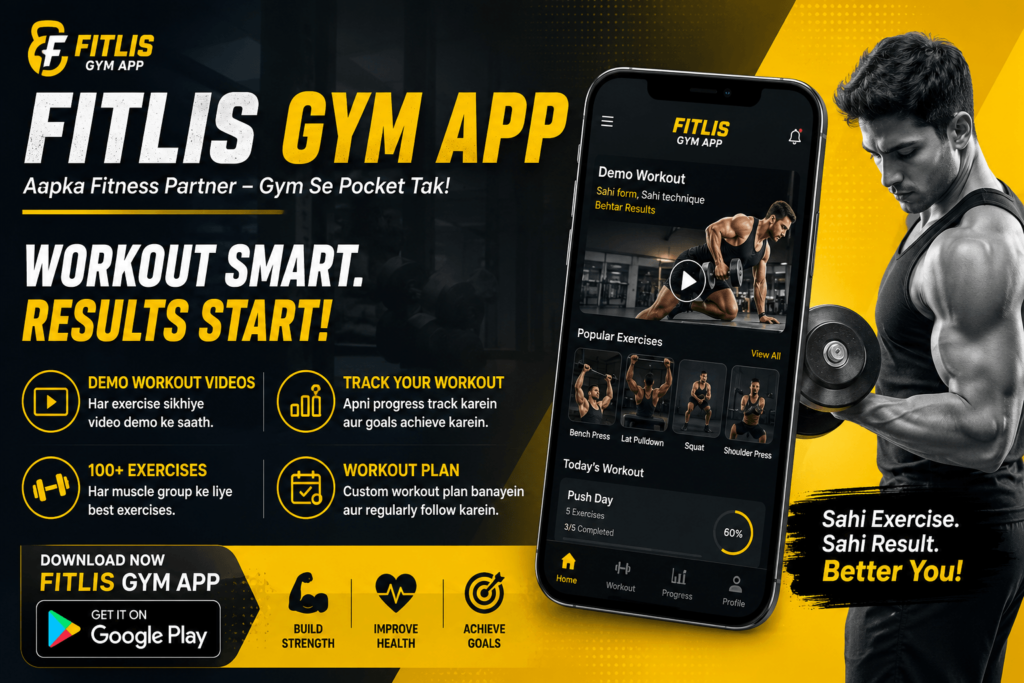
- GYM App: @fitlisgym
- 🌐 https://fitlis.in/about