

Fitness watch is very useful of track whole day activities and heath measurement .
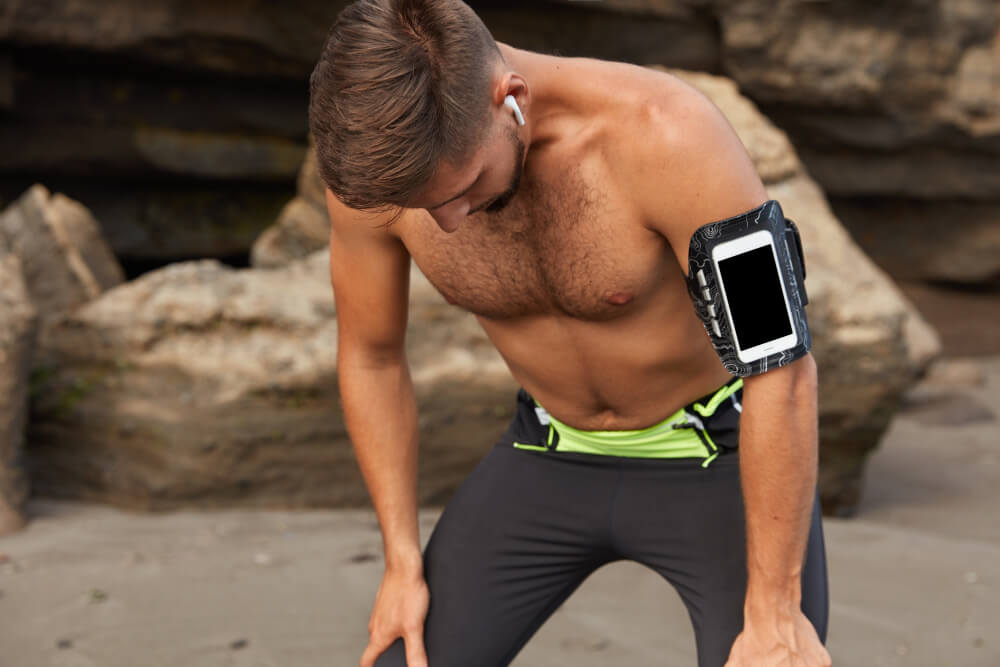
Wearable fitness technology has emerged as a revolutionary tool in the health and wellness sector. From humble beginnings with pedometers to advanced smartwatches and biometric trackers, these devices have reshaped how individuals monitor and enhance their physical fitness. As technology continues to evolve, wearable fitness gadgets are becoming indispensable companions for fitness enthusiasts, athletes, and everyday users alike.
The Rise of Wearable Fitness Technology
The concept of wearable fitness technology dates back to the late 20th century when simple pedometers gained popularity for counting steps. However, the real breakthrough came with the advent of accelerometers and gyroscopes, which allowed for more precise activity tracking. By the early 2010s, the fitness tracker market began to flourish with brands like Fitbit, Garmin, and Polar introducing devices that could measure steps, calories burned, and even sleep patterns.
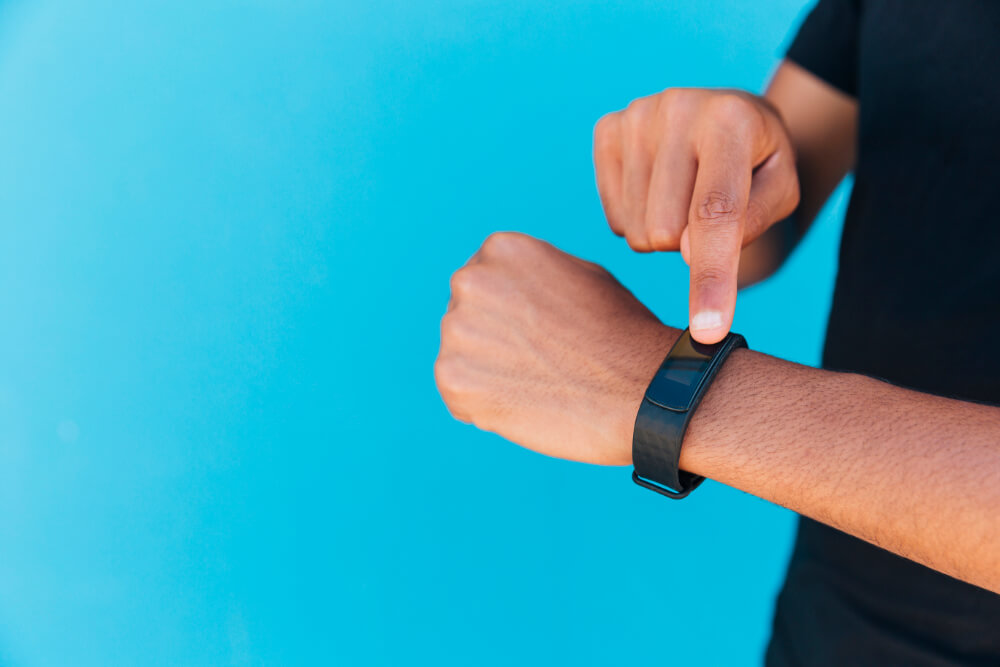
The introduction of smartwatches like the Apple Watch and Samsung Galaxy Watch brought a paradigm shift. These devices combined fitness tracking with smartphone capabilities, enabling users to receive notifications, control music, and access apps, all while keeping an eye on their health metrics. The integration of heart rate monitors, GPS, and SpO2 sensors further elevated their functionality, making them powerful tools for tracking overall health and fitness.
Features of Modern Wearable Fitness Devices
Modern wearable fitness devices are equipped with a plethora of features designed to cater to diverse needs. These include:
- Activity Tracking: Devices track steps, distance, and active minutes, providing users with a comprehensive overview of their daily activity levels.
- Heart Rate Monitoring: Continuous heart rate monitoring helps users understand their cardiovascular health, optimize workouts, and detect potential issues.
- Sleep Tracking: Advanced algorithms analyze sleep patterns, offering insights into sleep quality and helping users improve their rest.
- Caloric Burn and Nutrition Integration: Wearables estimate calorie expenditure and often integrate with nutrition apps to provide a holistic view of health.
- Stress and Recovery Monitoring: Tools like heart rate variability (HRV) analysis help users manage stress and monitor recovery after workouts.
- Custom Workouts and Coaching: Many devices offer guided workout plans and virtual coaching tailored to individual fitness goals.
- Connectivity and Ecosystem: Wearables sync with smartphones and apps, enabling users to analyze their data, set goals, and share progress with fitness communities.

Benefits of Wearable Fitness Technology
The impact of wearable fitness technology on personal health is profound. These devices empower users to take charge of their wellness by providing real-time feedback and actionable insights. By setting daily activity goals and monitoring progress, individuals are more motivated to stay active and maintain a healthy lifestyle.
For fitness enthusiasts and athletes, wearables are invaluable for optimizing performance. Real-time data on metrics like pace, cadence, and heart rate zones allows for precise training adjustments. Additionally, wearables aid in injury prevention by monitoring strain and recovery metrics, ensuring users avoid overtraining.
The healthcare sector also benefits significantly. Wearable devices have become instrumental in managing chronic conditions such as diabetes and hypertension. Continuous glucose monitors and blood pressure trackers offer patients and healthcare providers valuable data for better management of their conditions.

Challenges and Future Prospects
Despite their benefits, wearable fitness technology faces challenges. Privacy concerns over sensitive health data are paramount, as many devices collect and store vast amounts of personal information. Additionally, device accuracy varies, with some metrics like calorie burn and sleep stages still subject to limitations.
Affordability is another barrier, as high-quality wearables often come with a premium price tag. However, as technology advances, costs are expected to decrease, making these devices more accessible to a broader audience.
- Diet Plan: What to Eat for a Healthy and Fit Body | FITLIS
- Janhvi Kapoor Fitness: Workout, Pilates, Diet & Fitness Tips | FITLIS
- Why Fitness Is Necessary for a Healthy Life | FITLIS
- How Many Chest Exercises Should Beginners Do? | FITLIS
- Why Rest Days Matter for Your Body | FITLIS
The future of wearable fitness technology is promising. Innovations in artificial intelligence and machine learning are set to revolutionize the industry. Devices will become even more personalized, offering predictive analytics and early detection of potential health issues. Integration with augmented reality (AR) and virtual reality (VR) may also enhance fitness experiences, from interactive workout sessions to immersive training environments.
Images from (www.freepik.com)
YouTube link:- https://www.youtube.com/@fitlisfitness?sub_confirmation=1
Vlog YouTube link:- https://www.youtube.com/@kk07vlog?sub_confirmation=1
powerlifting competition – https://youtu.be/j-yA6ecK4Hw
check IHFF 2023 bodybuilding competition –https://youtu.be/wqA73RduPNQ
Blogs:- https://fitlis.in/blog
Website:- http://fitlis.in/
Instagram KAPIL:- https://www.instagram.com/kapilkumar_79/
Instagram FITLIS:- https://www.instagram.com/fitlis_fitness/
Facebook:- https://www.facebook.com/kapilkumar.7790/