
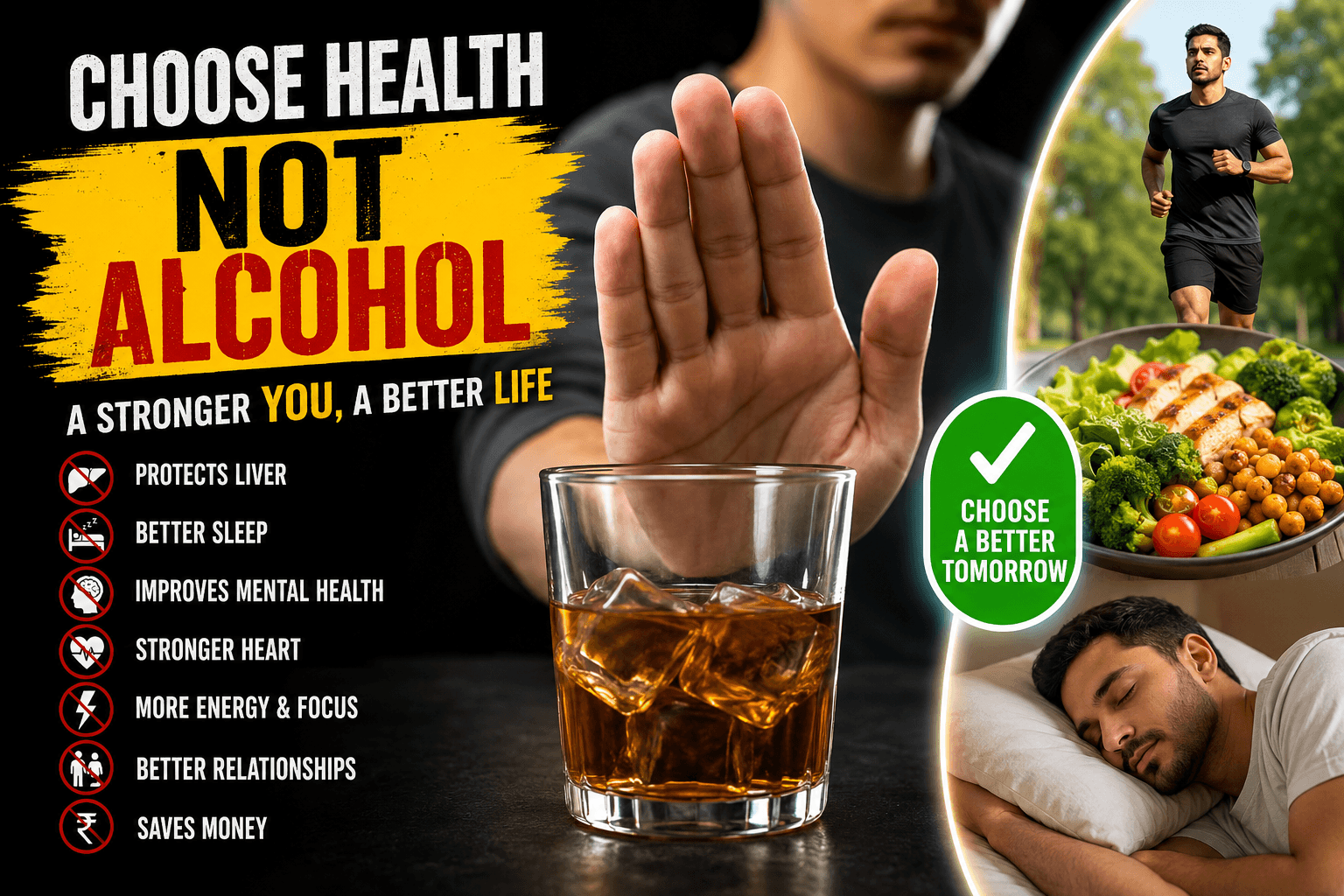
Understanding the Effects of Drinking on Your Body and Life
Alcohol is widely consumed around the world. It is often associated with celebrations, parties, social gatherings, stress relief, and relaxation. Because drinking is so common, many people assume that alcohol is harmless when consumed occasionally. However, alcohol is a psychoactive substance that can affect almost every major system in the body.
The risks depend on factors such as how much a person drinks, how frequently they drink, their age, overall health, medications, and individual circumstances. While some people may drink without noticing immediate problems, regular or heavy alcohol consumption can gradually affect physical health, mental well-being, relationships, work, finances, and quality of life.
This is why avoiding alcohol, or reducing alcohol consumption, can be an important step toward a healthier lifestyle.
Table of Contents
1. Alcohol Can Damage the Liver
The liver plays an important role in processing substances in the body, including alcohol. When you drink, the liver works to break alcohol down. Regular or heavy drinking can put significant stress on this organ.
Long-term excessive alcohol consumption can contribute to conditions such as fatty liver, alcoholic hepatitis, fibrosis, and cirrhosis. In severe cases, liver damage can become permanent and may lead to liver failure.
One of the concerning aspects of alcohol-related liver damage is that it may develop silently. A person may feel normal while damage is gradually occurring.
Avoiding alcohol gives your liver one less harmful substance to process and can support overall liver health.
2. Alcohol Can Affect Your Brain
Alcohol directly affects the brain and nervous system. It can change mood, judgment, coordination, reaction time, and decision-making.
After drinking, people may become more impulsive and make decisions they would normally avoid. This can increase the risk of accidents, injuries, arguments, and other dangerous situations.
Frequent heavy drinking can also affect brain function over time. Memory, concentration, learning, and emotional regulation may be affected.
For people who want to stay mentally sharp and productive, avoiding alcohol can be a sensible choice.
3. It Can Interfere With Sleep
Some people drink alcohol because they believe it helps them relax or fall asleep faster. Although alcohol may make you feel sleepy initially, it can interfere with normal sleep patterns.
Alcohol can reduce sleep quality and cause more disturbed sleep during the night. You may wake up feeling tired even after spending enough hours in bed.
Poor sleep can affect energy, concentration, mood, workout performance, and appetite.
If you are trying to improve your sleep naturally, reducing or avoiding alcohol can be a useful step.
4. Alcohol Can Make Weight Management More Difficult
If you are working toward fat loss or maintaining a healthy weight, alcohol can make the process more challenging.
Alcohol contains calories, and alcoholic drinks can also contain additional calories from sugar, mixers, juices, and other ingredients. Drinking can also lower inhibitions and make it easier to overeat or choose high-calorie foods.
For someone following a fitness or weight-loss program, frequent drinking can therefore make it harder to maintain a consistent calorie balance.
Avoiding alcohol can remove a significant source of unnecessary calories and may make healthy eating easier to maintain.
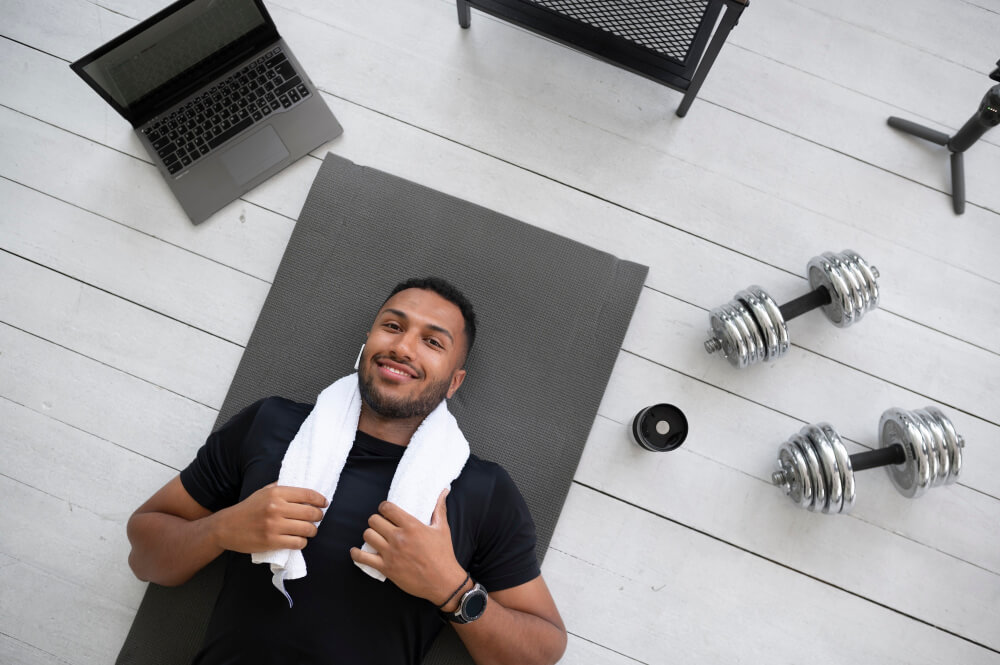
5. It Can Affect Muscle Recovery and Fitness
People who exercise regularly need adequate nutrition, hydration, sleep, and recovery. Alcohol can interfere with several of these areas.
After a workout, your body needs time to repair and adapt. Drinking alcohol may interfere with recovery processes, hydration, sleep, and nutritional choices.
For people who are serious about building muscle, improving strength, losing fat, or increasing athletic performance, regular alcohol consumption can work against their goals.
You do not need alcohol to celebrate progress. Your workout results, improved strength, better fitness, and healthier body can be reasons to celebrate on their own.
6. Alcohol Can Increase Dehydration
Alcohol can contribute to increased fluid loss. This is one reason people may experience thirst, headache, weakness, or fatigue after drinking.
Proper hydration is especially important for people who exercise, work outdoors, or live in hot climates.
Replacing alcohol with water or other non-alcoholic beverages can help you maintain better hydration habits.
7. It Can Affect Mental Well-Being
Many people drink alcohol when they feel stressed, anxious, lonely, or upset. While alcohol may temporarily change how you feel, using it as a coping mechanism can create a cycle in which drinking becomes the preferred way to deal with difficult emotions.
Over time, this can contribute to problematic drinking and may make emotional problems more difficult to manage.
Healthy alternatives include exercise, spending time with supportive people, getting enough sleep, pursuing hobbies, practicing relaxation techniques, or speaking with a qualified professional when needed.
8. Alcohol Can Affect Your Heart and Blood Pressure
Regular heavy alcohol consumption is associated with cardiovascular risks, including high blood pressure and other heart-related problems.
The relationship between alcohol and cardiovascular health is complex, and older advice sometimes suggested that drinking small amounts could be beneficial. However, drinking alcohol should not be started for the purpose of improving heart health.
If you do not drink, there is no health reason to start.
A heart-friendly lifestyle is better built around regular physical activity, a balanced diet, adequate sleep, maintaining a healthy weight, and avoiding tobacco.
9. It Can Increase the Risk of Certain Cancers
Alcohol consumption is associated with an increased risk of several types of cancer. The risk generally increases as alcohol exposure increases.
Alcohol has been linked with cancers including those of the mouth, throat, esophagus, liver, colon and rectum, and breast.
This is one of the strongest reasons to consider avoiding alcohol altogether. Even when someone feels healthy, long-term exposure can still carry risks.
10. Alcohol Can Affect Relationships and Family Life
The effects of alcohol are not limited to the person drinking.
Frequent or excessive drinking can contribute to arguments, poor communication, irresponsible behavior, financial problems, and relationship difficulties. In some situations, alcohol can also contribute to violence or unsafe behavior.
When drinking becomes a priority, important responsibilities may be neglected.
Avoiding alcohol can help people remain more present and responsible in their relationships and daily lives.
11. Alcohol Can Affect Your Finances
Drinking regularly can also become an unnecessary expense.
Consider how much is spent on alcohol every week or month. Over several years, that amount can become significant.
The money saved by avoiding alcohol could instead be used for healthier food, fitness equipment, education, travel, investments, family needs, or other meaningful goals.
A healthier lifestyle can therefore have financial benefits as well.
12. Alcohol Can Reduce Productivity
Alcohol can affect your performance even after the immediate effects have disappeared.
A poor night’s sleep, dehydration, fatigue, headache, and reduced concentration can make the next day more difficult.
For students, employees, business owners, athletes, and anyone with demanding responsibilities, maintaining consistent energy and focus is important.
Avoiding alcohol can help you maintain a more predictable routine.
13. Alcohol Can Become Addictive
One of the biggest concerns with alcohol is that repeated drinking can become difficult to control.
Some people gradually move from occasional drinking to regular drinking and eventually feel that they need alcohol to relax, sleep, socialize, or cope with stress.
Alcohol use disorder is a medical condition and is not simply a matter of having poor willpower.
If someone has developed dependence on alcohol, suddenly stopping can sometimes cause dangerous withdrawal symptoms. People who drink heavily or regularly and want to stop should consider speaking with a healthcare professional about the safest approach.
14. You Do Not Need Alcohol to Have Fun
A common reason people drink is social pressure.
They may feel that parties, celebrations, weddings, vacations, or gatherings are incomplete without alcohol. But enjoyment does not require drinking.
You can socialize, dance, exercise, travel, celebrate achievements, enjoy food, spend time with friends, and have meaningful conversations without alcohol.
Choosing not to drink can become easier when you stop viewing alcohol as a requirement for having a good time.
Healthier Alternatives to Alcohol
If you are trying to reduce or stop drinking, replace the habit rather than simply removing it.
Try:
- Drinking water, sparkling water, or a non-alcoholic beverage
- Exercising regularly
- Going for an evening walk
- Spending time with friends who support your decision
- Developing a new hobby
- Improving your sleep routine
- Practicing meditation or relaxation exercises
- Preparing healthier meals
- Tracking the money you save by not drinking
- Setting clear personal goals
Small changes repeated consistently can create major improvements over time.
Final Thoughts
Alcohol may be socially accepted and widely available, but that does not mean it is harmless. Regular or excessive consumption can affect the liver, brain, sleep, mental well-being, heart, fitness, relationships, finances, and long-term health.
If you currently drink, reducing your consumption can be a positive step. If you do not drink, there is no need to start for health reasons.
A healthy lifestyle is built through consistent habits: nutritious food, regular exercise, quality sleep, hydration, stress management, and meaningful relationships.
You do not need alcohol to relax, celebrate, or enjoy life. In many cases, choosing not to drink can help you protect your health today while supporting a healthier future.
Kapil Kumar
Founder & Fitness Trainer – FITLIS
- 🏋️ 9+ years of fitness coaching
- 💪 Specializes in weight loss and muscle building
- 📺 YouTube: @fitlisfitness
- Instagram: @kapilkumar_79
- Facebook: @kapilkumar.7790
- GYM App: @fitlisgym
- 🌐 https://fitlis.in/about