
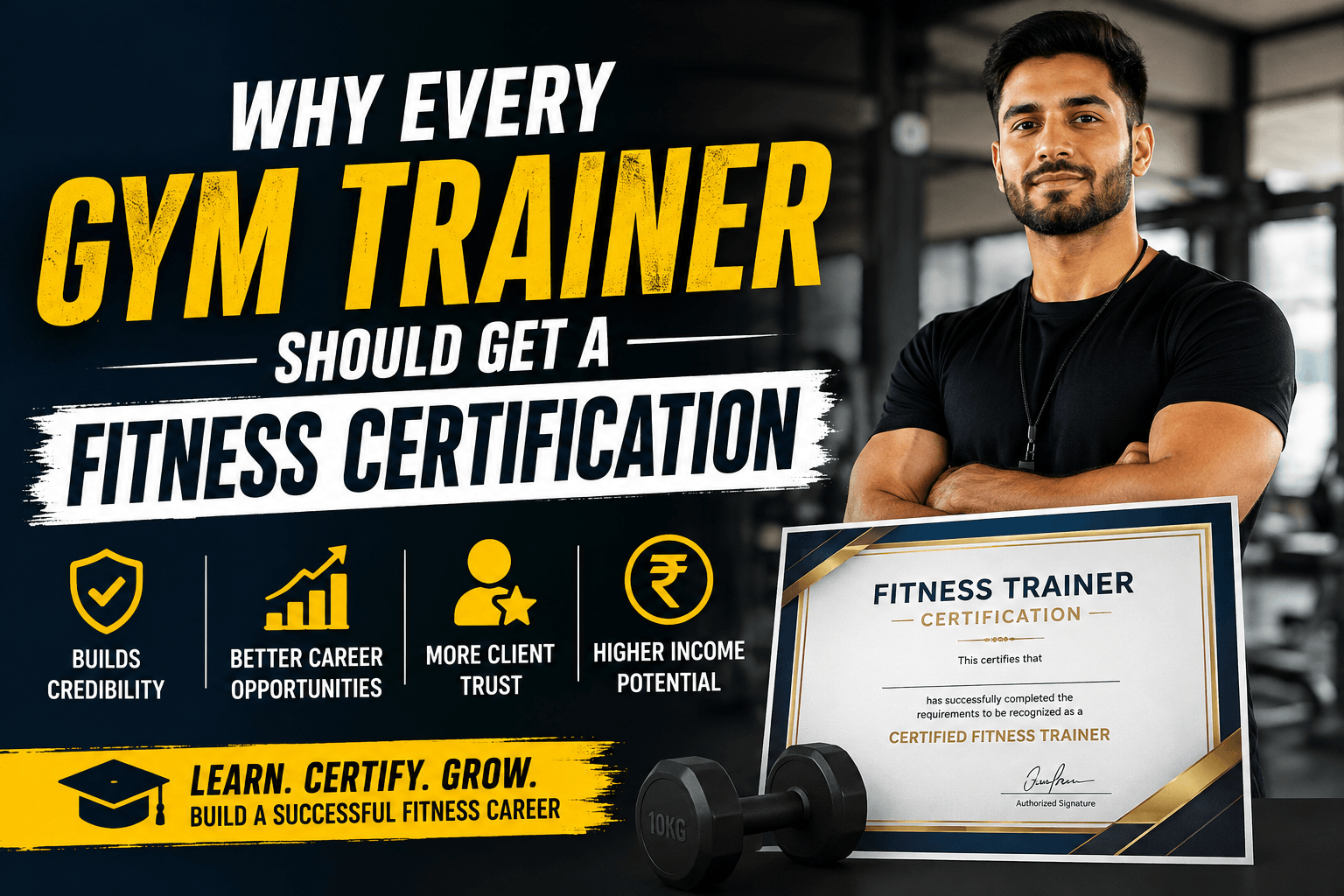
The fitness industry has experienced tremendous growth over the past few years. As more people become health-conscious, the demand for qualified and knowledgeable fitness trainers continues to rise. However, simply having a passion for fitness or years of workout experience is no longer enough to build a successful career.
Whether you want to work in a commercial gym, start your own fitness business, become an online coach, or train athletes, obtaining a professional fitness certification can significantly improve your credibility and career opportunities.
In this guide, we’ll explain why every gym trainer should earn a fitness certification, the benefits it offers, popular certifications, and how to choose the right one.
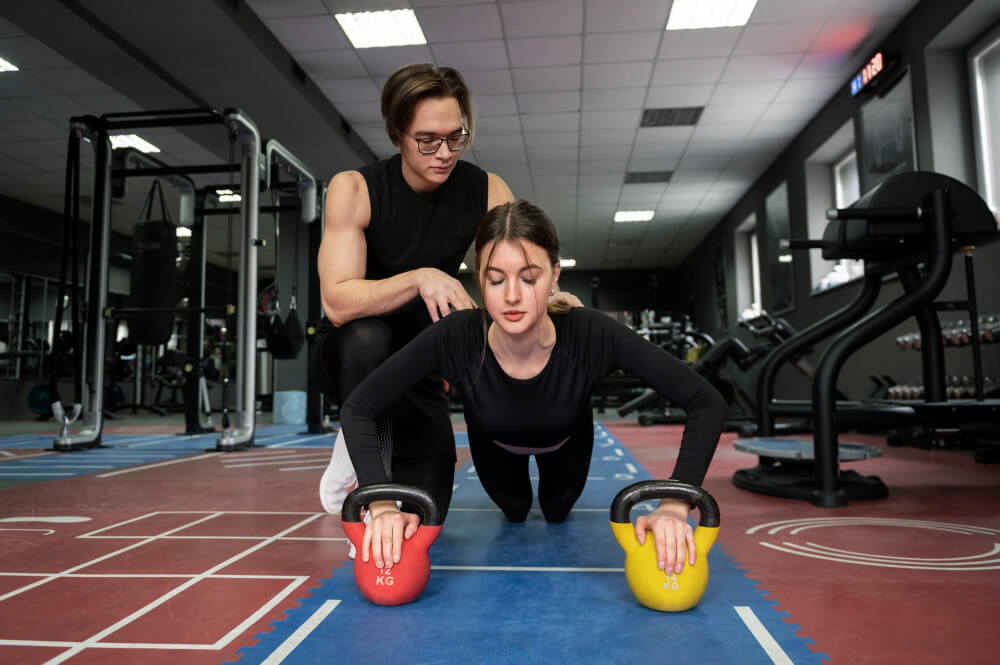
Table of Contents
What Is a Fitness Certification?
A fitness certification is a professional qualification that proves you possess the knowledge and practical skills required to safely guide clients toward their fitness goals.
A certified trainer understands topics such as:
- Human anatomy
- Exercise physiology
- Nutrition basics
- Strength training
- Weight loss programs
- Muscle building
- Injury prevention
- Client assessment
- Workout programming
- Motivation techniques
Certification shows employers and clients that you have been trained according to recognized industry standards.
Why Is Fitness Certification Important?
Many people believe that having an impressive physique automatically makes someone a good trainer.
Unfortunately, that’s not true.
A great trainer understands:
- Proper exercise technique
- Client safety
- Different fitness levels
- Medical conditions
- Progressive overload
- Recovery methods
Without proper education, trainers may unintentionally put clients at risk of injury.
A fitness certification helps you train clients professionally and responsibly.
Top Benefits of Becoming a Certified Fitness Trainer
1. Builds Trust and Credibility
Most people prefer hiring certified trainers because they feel more confident in their expertise.
A certification demonstrates that you’ve invested time in learning professional training methods instead of relying solely on personal gym experience.
This can make it easier to attract and retain clients.
2. Better Career Opportunities
Many gyms now require trainers to hold a recognized certification before hiring them.
Certified trainers can work in:
- Commercial gyms
- Luxury fitness clubs
- Health centers
- Sports academies
- Personal training studios
- Hotels and resorts
- Corporate wellness programs
A certification can also strengthen your resume when applying for jobs.
3. Higher Income Potential
Certified trainers generally have more earning opportunities than non-certified trainers.
They can offer:
- Personal training sessions
- Online coaching
- Group fitness classes
- Customized workout plans
- Nutrition guidance (within their scope of practice)
- Transformation programs
As experience grows, many certified trainers increase their hourly rates and build a larger client base.
4. Improved Client Results
Professional education helps trainers design programs tailored to each individual’s goals.
Whether a client wants to:
- Lose weight
- Build muscle
- Improve endurance
- Increase flexibility
- Recover after injury
- Prepare for sports
A certified trainer can create structured plans based on evidence-based practices, leading to safer and more effective results.
5. Better Knowledge of Injury Prevention
One of the most valuable aspects of certification is learning how to minimize the risk of injuries.
Certified trainers understand:
- Proper warm-ups
- Correct exercise form
- Mobility exercises
- Recovery techniques
- Progression strategies
- When to modify exercises
Keeping clients safe is one of the most important responsibilities of a fitness professional.
6. Professional Confidence
Many new trainers struggle with confidence during their first few months.
A certification program provides both theoretical knowledge and practical experience, helping trainers communicate effectively with clients and answer questions with confidence.
7. Stay Updated With Modern Fitness Science
The fitness industry evolves rapidly.
Research frequently changes our understanding of:
- Fat loss
- Muscle growth
- Cardio training
- Recovery
- Nutrition
- Strength training
Many certification organizations require continuing education, ensuring trainers stay current with the latest evidence-based practices.
Skills You Learn During a Fitness Certification Course
Most quality certification programs cover:
- Functional anatomy
- Exercise physiology
- Biomechanics
- Client consultation
- Fitness assessment
- Program design
- Cardiovascular training
- Resistance training
- Flexibility training
- Weight management
- Communication skills
- Ethics
- Emergency procedures
These skills help trainers deliver safe, effective, and personalized fitness programs.
Best Fitness Certifications
Some of the most respected fitness certifications include:
ACE (American Council on Exercise)
ACE is internationally recognized and focuses on practical coaching skills, behavior change, and client safety.
Ideal for:
- Personal trainers
- Beginners
- Online coaches
ACSM (American College of Sports Medicine)
ACSM is known for its science-based approach and is widely respected in both clinical and athletic settings.
Ideal for:
- Clinical exercise professionals
- Personal trainers
- Sports performance coaches
NSCA (National Strength and Conditioning Association)
NSCA specializes in strength training and athletic performance.
Best for:
- Athletes
- Strength coaches
- Performance trainers
ISSA (International Sports Sciences Association)
ISSA offers flexible online certification programs suitable for trainers around the world.
Ideal for:
- Online learners
- Personal trainers
- Fitness entrepreneurs
How to Choose the Right Fitness Certification
Before enrolling, consider:
Recognition
Choose certifications accepted by gyms and employers.
Course Content
Look for programs covering anatomy, programming, nutrition, and practical coaching.
Practical Training
Hands-on experience is essential.
Continuing Education
Good certification providers encourage ongoing learning.
Budget
Compare course fees, exam costs, and renewal requirements.
Investing in a quality certification often pays off through better career opportunities.
Can You Become a Successful Trainer Without Certification?
While some trainers build careers based on experience alone, certification offers significant advantages.
Without certification, you may face challenges such as:
- Limited job opportunities
- Reduced client trust
- Lower earning potential
- Gaps in knowledge
- Increased liability
A recognized certification demonstrates professionalism and a commitment to high standards.
Tips for New Fitness Trainers
If you’re starting your fitness career:
- Continue learning beyond your certification.
- Practice clear communication with clients.
- Stay updated with current research.
- Focus on proper technique before increasing intensity.
- Build your personal brand through social media.
- Be patient and prioritize long-term client success.
Success in fitness comes from combining knowledge, experience, and excellent coaching skills.
Final Thoughts
A fitness certification is more than just a certificate—it’s an investment in your career and your clients’ well-being. It equips you with the knowledge, confidence, and credibility needed to stand out in a competitive industry.
Whether you dream of working in a premium gym, launching your own fitness studio, coaching clients online, or helping athletes perform at their best, becoming a certified fitness trainer is a valuable first step.
As the fitness industry continues to grow, certified professionals are likely to enjoy greater career opportunities, stronger client trust, and better long-term success. If you’re serious about making fitness your profession, earning a recognized certification is one of the smartest decisions you can make.
Frequently Asked Questions (FAQs)
1. Is a fitness certification necessary to become a gym trainer?
While not legally required everywhere, most reputable gyms prefer or require certified trainers because certification demonstrates professional knowledge and commitment to safety.
2. Which fitness certification is best?
Some of the most respected certifications include ACE, ACSM, NSCA, and ISSA. The best choice depends on your career goals and the type of clients you plan to train.
3. How long does it take to complete a fitness certification?
Most certification programs can be completed in 2–6 months, depending on the provider and whether you study full-time or part-time.
4. Can I become an online fitness coach after getting certified?
Yes. A recognized certification can enhance your credibility when offering online coaching, personalized workout plans, and virtual fitness programs.
5. Does a fitness certification expire?
Many certifications require renewal every 2–4 years through continuing education to ensure trainers stay updated with the latest fitness research and industry standards.
Kapil Kumar
Founder & Fitness Trainer – FITLIS
- 🏋️ 9+ years of fitness coaching
- 💪 Specializes in weight loss and muscle building
- 📺 YouTube: @fitlisfitness
- Instagram: @kapilkumar_79
- Facebook: @kapilkumar.7790
- GYM App: @fitlisgym